
Cheap hotels in Tokyo: the best-value districts
Tokyo has a reputation for expensive hotels that its business-hotel sector does not deserve. Compact, clean, efficient rooms are a national speciality, and the rail network makes every district close. This guide covers where the affordable hotels cluster and how to compare the total for your dates.
By The Hotella editors · Updated
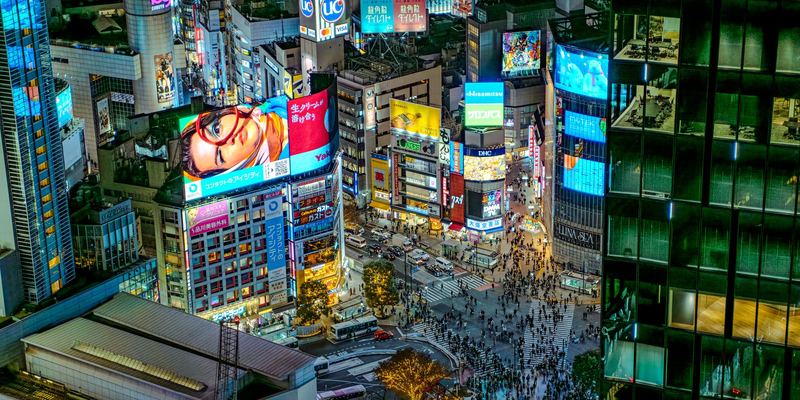
The best-value hotel districts in Tokyo are Ueno, Asakusa, Ikebukuro and Shinagawa — all on the main rail loop and noticeably cheaper than Shinjuku, Shibuya or Ginza. Japanese business hotels offer small but spotless, reliable rooms at prices that would be mid-range elsewhere, which makes Tokyo far more affordable than its reputation.
District by district, on a budget
Ueno combines a huge park and museum quarter with the city's densest supply of affordable hotels and a direct express train to Narita airport. Asakusa, around the Senso-ji temple, is similarly priced with an old-town feel.
Ikebukuro, on the north-west of the loop, is a major transport hub with lower prices than Shinjuku ten minutes away. Shinagawa, to the south, suits early departures — the bullet train and Haneda airport trains stop there — and its business hotels are good value at weekends.
Shinjuku itself has budget rooms on the Kabukicho and Shin-Okubo side, at prices below the station's west side. It is lively at night; read recent reviews if you are a light sleeper.
What a cheap room in Tokyo actually means
A budget double in a Japanese business hotel is usually around eleven to fourteen square metres. It will be clean, quiet, air-conditioned and efficiently laid out, but opening a large suitcase flat on the floor is optimistic.
If you need more space, look at apartment-style hotels and the larger room categories in the same chains — often only a modest step up in price, and still far below international-brand hotels.

Costs that are not in the room rate
Tokyo charges a small accommodation tax per person per night once the room rate passes a set threshold, payable at the hotel. It is modest, but it is on top of what you pay online.
Breakfast buffets in business hotels are rarely good value compared with the bakeries, convenience stores and set-breakfast cafés outside. Check whether your rate includes it before comparing two prices.
Check the level for your own dates
The live price box on this page shows a current total for real dates in Tokyo, fetched when you load the page — a better guide than any average figure.
Then run your own dates through the search and compare totals across two or three districts before you decide where to base yourself.

Step by step
1. Stay on the Yamanote line
The Yamanote loop connects every district you are likely to visit. A hotel near any of its stations — not necessarily a famous one — keeps the whole city within half an hour.
2. Look at Ueno and Asakusa first
The north-east of the city has the deepest supply of budget hotels, direct train links to both airports and major sights of its own. It is the classic value base.
3. Learn the business hotel format
Japanese business hotels offer compact double rooms with everything you need and nothing you do not: reliable chains, ruthless cleanliness, tiny bathrooms. If you can live with less floor space, they are the best value in the city.
4. Check weekends in business districts
Shinagawa and the station districts price for business travellers. At weekends the same rooms often fall, while tourist districts like Asakusa move the other way.
5. Compare the total for the stay
Tokyo adds a small accommodation tax per person per night above certain rate thresholds, and breakfast is usually extra. Compare totals for your exact dates, which is what the prices on this site show.
6. Watch the event calendar
Cherry blossom season, Golden Week, the autumn foliage peak and the New Year period raise prices citywide. Shifting your trip by one week around these dates changes the price more than any other decision.
Frequently asked questions
- What is the cheapest area to stay in Tokyo?
- Ueno and Asakusa in the north-east have the deepest supply of affordable hotels, with Ikebukuro close behind. All are on the main rail loop, so the saving costs you very little time.
- Are Tokyo hotel rooms really that small?
- Business hotel rooms are compact — typically around twelve square metres for a double — but clean and well equipped. Larger rooms and apartment-style hotels exist at a moderate step up in price.
- Is there a tourist tax in Tokyo?
- Tokyo charges a small accommodation tax per person per night above a certain room-rate threshold, paid at the hotel. Your booking confirmation states whether it applies to your rate.
- When are Tokyo hotels cheapest?
- Mid-January to February and June, outside national holidays. Prices peak during cherry blossom season, Golden Week, the autumn foliage period and New Year.
- Is Shinjuku a good budget base?
- The east side of Shinjuku has some of the best-located cheap rooms in the city, one or two stations from everywhere. It is busy and noisy at night — fine for most, worth knowing before you book.