
Boutique hotels in Paris: where to look and what to expect
Paris is arguably the world capital of the boutique hotel — small, design-led properties in Haussmann-era buildings. But the label now covers everything from a genuinely independent nine-room gem to a soft-brand chain property. Here's how to find the real thing.
By The Hotella editors · Updated
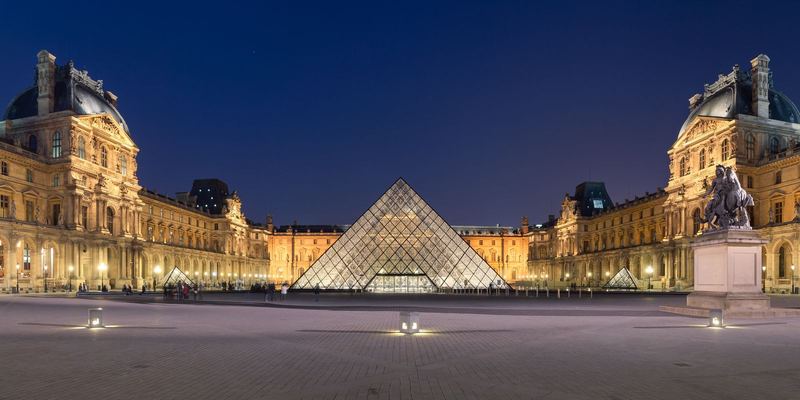
The best boutique hotels in Paris concentrate in the Marais, Saint-Germain, the Latin Quarter, South Pigalle and the 10th and 11th arrondissements — small properties in older buildings with individually styled rooms. Expect smaller rooms than a chain at the same price, character over facilities, and book early: 30-room hotels sell out weeks ahead on popular dates.
What you trade, what you get
Against a chain at the same price you usually give up room size, a gym, and sometimes a lift — Parisian staircases are famous for a reason. What you get is a room that looks like nowhere else, staff who have time for you, and a breakfast room that seats twelve rather than two hundred.
If facilities matter more than character, the comparison runs the other way: Paris chain hotels are efficient, and often cheaper per square metre.
Spotting the real thing
The honest signals are a small room count, an independent name, and photos where no two rooms look alike. The warning signs are identical room photos across floor plans and a brand name that appears in twenty other cities.
Neither is automatically better — but they are different products at similar prices, and it helps to know which one you're buying.

Step by step
1. Pick the neighbourhood first
Boutique hotels live in walkable, characterful districts. Choose between the Marais (historic, central), Saint-Germain (classic Left Bank), South Pigalle (trendy, good value) and the 10th–11th (local, cheapest of the four).
2. Check the room count
A true boutique hotel usually has under 40 rooms. The property description normally says — and a 120-room hotel calling itself boutique is a marketing label, not the experience.
3. Read recent reviews for noise and room size
Old buildings mean thin walls and compact rooms. Recent guest reviews tell you whether the charm comes with street noise or a bed that fills the room.
4. Compare the total, then book early
Use the live price box on this page for a current Paris total. With 30 rooms, a boutique property can't discount its way out of a full house — when it's gone, it's gone.
Frequently asked questions
- Which Paris neighbourhood has the most boutique hotels?
- The Marais and Saint-Germain have the densest cluster. South Pigalle and the 10th–11th arrondissements offer the same style at lower prices, with more local nightlife.
- Are boutique hotels in Paris expensive?
- They span the range, but expect to pay a small premium over a chain room of the same size. The 10th and 11th arrondissements are where character and price best meet.
- Do boutique hotels in Paris have lifts and air conditioning?
- Not always — many occupy buildings from the 1800s. Check the facilities list for both before booking, especially for summer stays or heavy luggage.
- How far ahead should I book?
- For spring and autumn weekends, four to eight weeks. Small hotels have no spare capacity to discount, so prices rise as the date nears and the best rooms go first.